A Guide for Parents and Caregivers
Airway clearance therapy — often called ACT — is a group of treatments that help clear mucus from your child’s lungs. Healthy lungs move mucus up and out on their own. But in children with chILD, mucus can be thicker or harder to clear. ACT helps loosen, move, and remove mucus so your child can breathe more easily and lower the risk of lung infections.
Not every child with chILD needs ACT. Your child’s care team will decide if it is helpful.
ACT is most often recommended for children who:
When done regularly, ACT can help:
A caregiver uses gentle clapping or vibration on the child’s chest and back to help loosen mucus. Once loosened, the child can cough it out more easily. CPT is one of the oldest and most widely used forms of ACT.
These are small handheld devices your child breathes through. When breathing out, the device creates gentle resistance. This helps keep the airways open a little longer, allowing mucus to move to the larger airways where it can be coughed out. PEP devices are portable and easy to use at home.
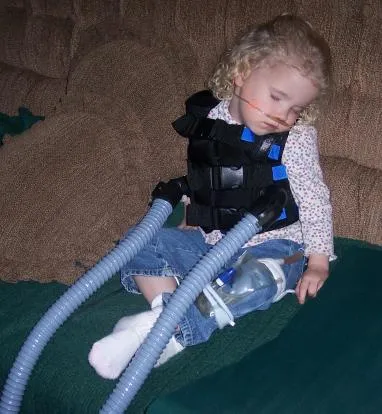
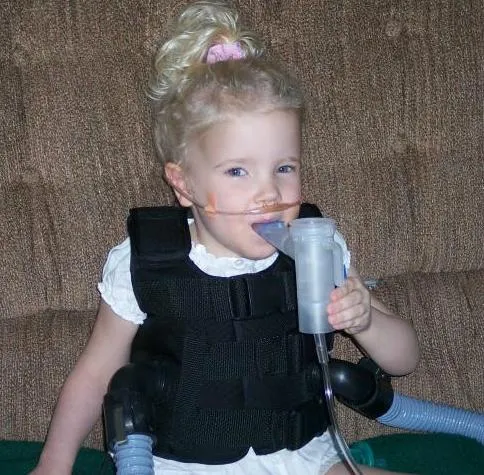
Your child wears an inflatable vest connected to a machine. The machine vibrates the chest many times per second. These vibrations loosen mucus throughout the lungs so it can be coughed or suctioned out. Vest therapy is often used for children who need ACT several times a day.
Some children learn special breathing exercises — like huffing or active cycle of breathing — that help move mucus through the airways. A respiratory therapist (breathing specialist) teaches these techniques.
Some children receive inhaled medicines or saline (salt water) through a nebulizer before ACT. These help thin the mucus, making it easier to loosen and move during therapy.
Consistency Matters ACT works best when done as prescribed — even when your child seems to be feeling well. Regular therapy prevents mucus buildup before it becomes a problem. Think of it like brushing teeth — done daily to prevent problems, not just when symptoms appear.
Questions to Ask Your Care Team
- Why was ACT recommended for my child?
- Which method is best for my child, and why?
- How often should we do therapy, and at what times of day?
- Should ACT be done before or after my child’s nebulized medicines?
- How will we know if ACT is helping?
ACT (Airway Clearance Therapy) — A group of treatments designed to help clear mucus from the lungs. Includes vest therapy, PEP devices, chest physiotherapy, and breathing techniques.
Mucolytic — A medicine that helps break up and thin thick mucus to make it easier to clear.
Nebulizer — A machine that turns liquid medicine into a fine mist that can be breathed directly into the lungs.
PEP (Positive Expiratory Pressure) device — A handheld device that creates gentle resistance when a child breathes out. Helps keep the airways open so mucus can move up and out.
Respiratory therapist (RT) — A licensed health professional who specializes in breathing care and treats children with lung conditions. RTs teach ACT techniques to families.
Vest therapy — A wearable device that vibrates the chest to loosen mucus. Used when children need frequent airway clearance.
This information is for educational purposes only. Always talk to your child’s doctor about your child’s care.
